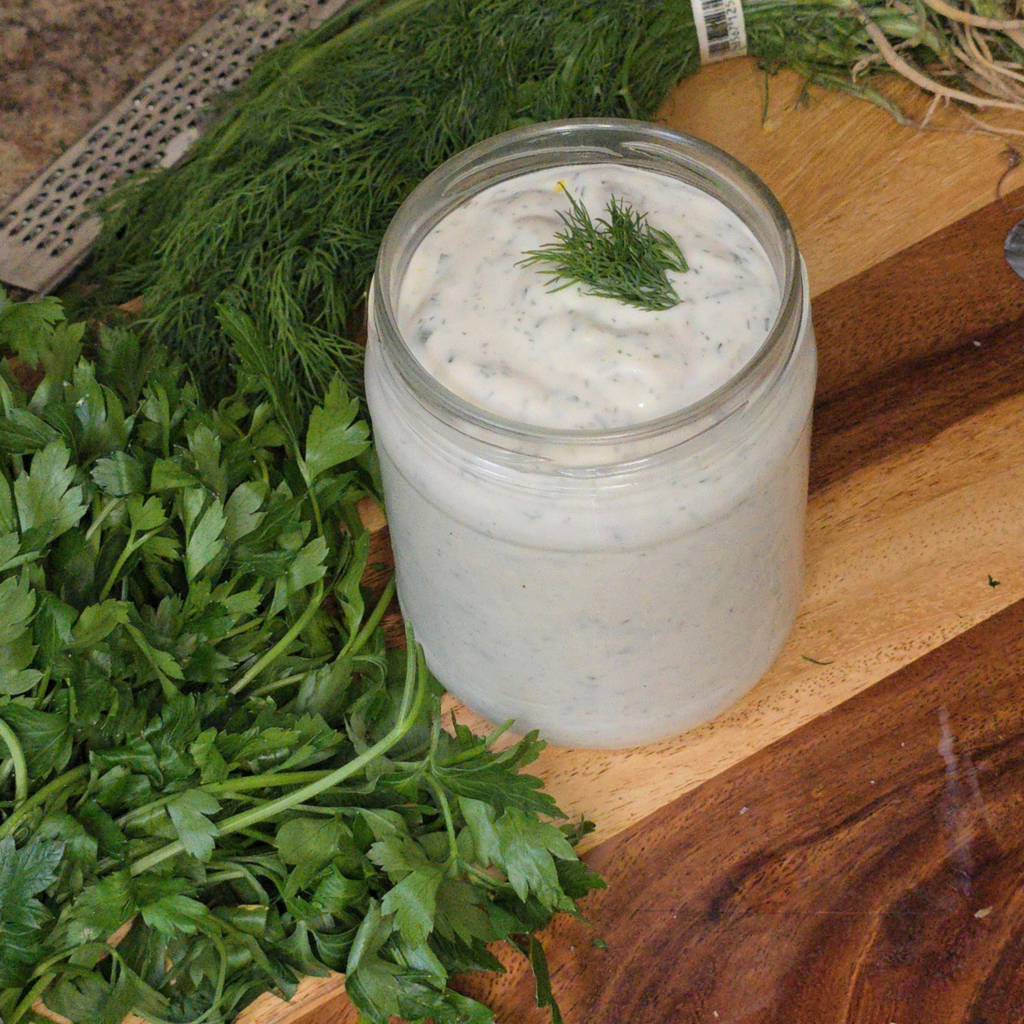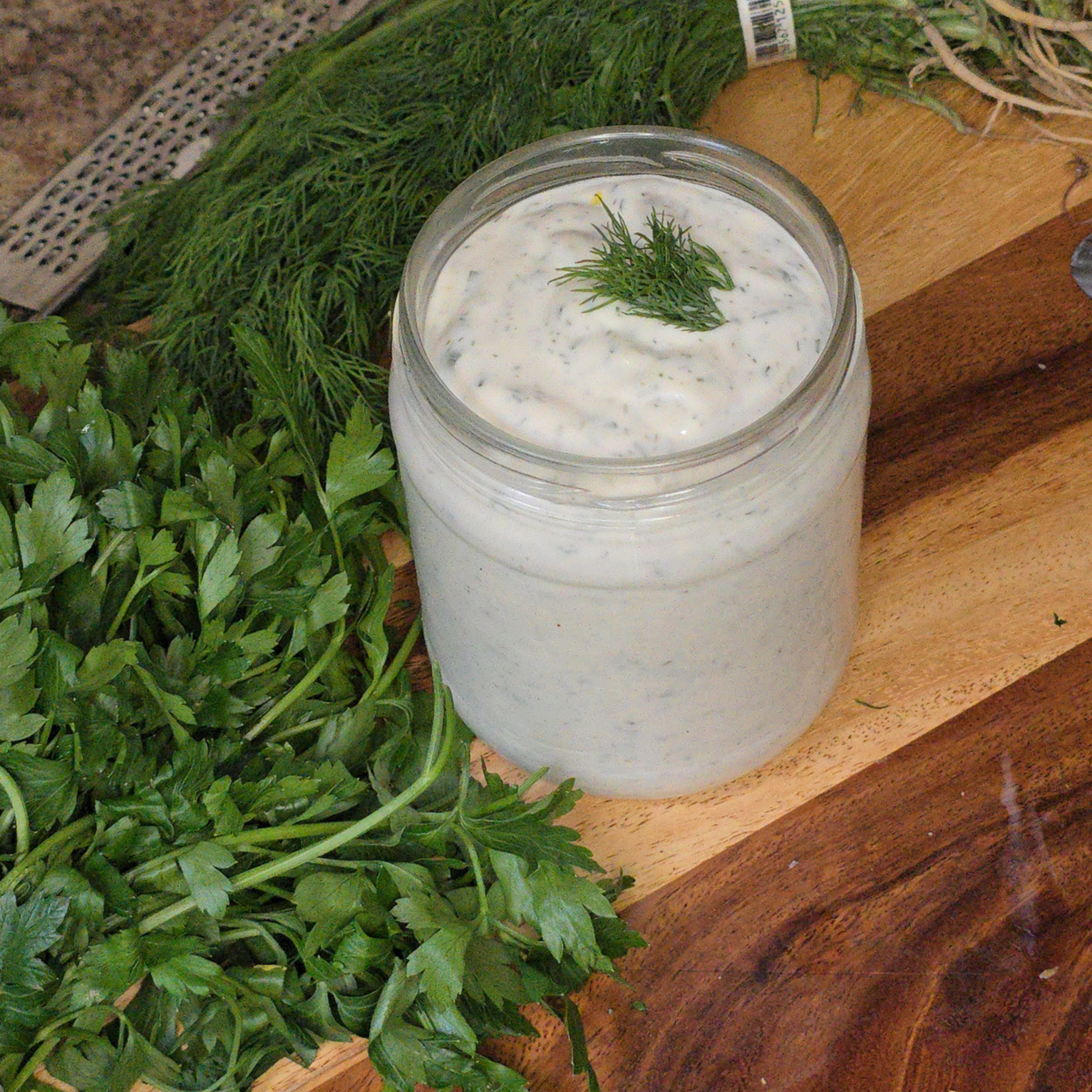
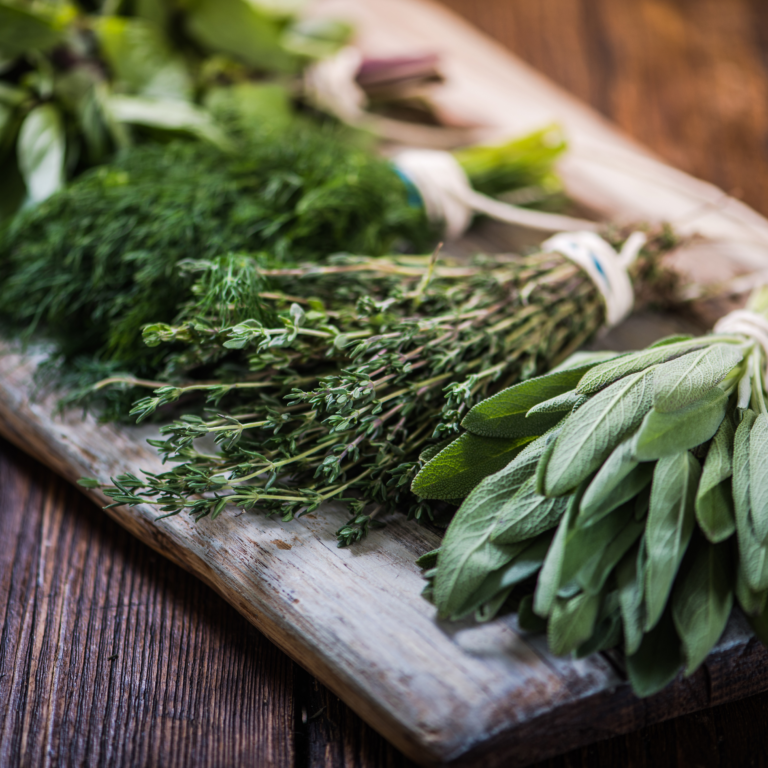
Right now, as I’m writing this, my fridge has a container of rosemary, a bag of dill, and a bag of Italian parsley sitting in it. Two hours ago those three were on their way to becoming exactly what always seems to happen to my fresh herbs — slimy, wilted, and headed for the trash by day three. Instead, I stopped what I was doing, pulled them out, and actually preserved them the right way. Rosemary got wrapped in a damp paper towel and tucked back into the crisper. Dill and parsley got trimmed and stood up in a jar of water like flowers, with a produce bag draped loosely over the top. So, this article is us talking all about herbs. And seriously, it should have probably been one of my first articles. And hopefully you’ll find you’re favourite fresh herb here.
After I wrapped and jarred my herbs, I sat back at my desk and thought, this will make a great article. So here we are. Here’s the truth nobody tells you when you start cooking with fresh herbs instead of the dried stuff in the spice cabinet: fresh herbs taste incredible, but they are not built to just sit there. And if you’re on a budget — which, let’s be honest, most of us are — buying a new bunch of basil every two or three days because the last one turned to mush is not sustainable. It’s not just annoying. It adds up fast.
So today I want to walk you through three things: how to actually make fresh herbs last, whether you can turn that bunch into an actual living plant instead of buying it again, and which twelve herbs are worth having in your kitchen rotation as a beginner.
October has been my taste-tester through more of these herb experiments than he probably realises, and honestly, some of the best lessons in this post came from herbs I almost lost.
Why Your Herbs Are Dying in Three Days
Most of the time, it’s not you. It’s that fresh herbs get treated like a vegetable when they should be treated like a bouquet of flowers, or like the delicate thing they actually are. It took me almost 40 years to learn what I’m teaching you today.
There are two categories, and they need two completely different approaches.
Tender herbs — basil, cilantro, parsley, dill, mint — are soft-stemmed and bruise easily. These do best standing upright in a jar with an inch or two of water, with a loose produce bag draped over the top like a little greenhouse. Basil is the one exception here: it actually prefers to sit out on the counter at room temperature, because the cold of the fridge will turn it black.
Woody herbs — rosemary, thyme, sage, oregano — have sturdier stems and don’t want to sit in water at all. Wrap them loosely in a slightly damp paper towel, tuck that into a produce bag or container, and let them live in the crisper drawer.
One more thing that makes a bigger difference than people expect: don’t wash your herbs until you’re actually about to use them. That extra moisture sitting on the leaves is what speeds up the wilting and sliming you’re probably used to seeing by day three.
Do this consistently and you can stretch tender herbs to a week or two, and woody herbs to two or three weeks, instead of watching them die in seventy-two hours.
Can You Regrow a Bunch of Herbs Into an Actual Plant?
Sometimes, yes — and it’s one of the more satisfying kitchen tricks there is.
Basil and mint are the most reliable. Snip a four to five inch piece, strip off the lower leaves so nothing is sitting underwater, and set it in a jar of water on a sunny windowsill. Roots typically show up within a week to ten days. Once those roots are about an inch long, it’s ready to go into soil.
Dill works a little differently. It doesn’t root well from a cut stem, because dill grows from a central taproot rather than branching out from nodes the way basil does. But if you look at the base of a store-bought bunch and see roots already forming, that usually means the root crown came with it. In that case, you can pot the whole thing directly into soil at the same depth the roots were sitting, give it full sun, and it has a real shot at continuing to grow into a full plant.
It’s a small thing, but it changes how you think about that five dollar bunch of herbs at the grocery store. It’s not always disposable. Sometimes it’s a starter plant that just doesn’t know it yet.
The Hero 12: The Fresh Herbs Every Beginner Should Get to Know
These are the twelve herbs I’d actually recommend keeping in rotation if you’re building confidence in the kitchen. Not because they’re trendy, but because together they cover nearly every cuisine and every type of dish you’ll want to make.
Basil. Sweet, slightly peppery, and the most forgiving herb to start with. It’s the backbone of pesto, caprese, and most Italian cooking, and it pairs beautifully with tomato and garlic in almost anything.
Thyme. Earthy and a little floral, thyme is the quiet workhorse of savoury cooking. It disappears into soups, stews, and braises and makes everything taste like it’s been cooking longer than it has.
Parsley. Clean and slightly peppery, parsley might be the single most versatile herb there is. It brightens up nearly any savoury dish, whether it’s the main flavour or just the finishing touch.
Mint. Cool and sharp, mint works in both directions — sweet and savoury. It shows up in desserts and drinks just as often as it does in Middle Eastern dishes and salads.
Oregano. Bold and slightly bitter, oregano is what makes pizza taste like pizza. It’s essential in Italian and Greek cooking and holds up well to long cook times.
Rosemary. Piney and intense, a little goes a long way. It’s especially good with roasted potatoes, breads, and anything cooked low and slow.
Chives. Mild and onion-y, chives are the easiest herb to use with zero technique required. Snip them fresh over eggs, potatoes, or soups right before serving.
Cilantro. Bright, citrusy, and famously divisive — some people love it, some people swear it tastes like soap, and that’s actually a genetic thing. It’s essential in Mexican and Southeast Asian cooking.
Dill. Feathery and slightly tangy, dill is the herb you reach for with fish, potatoes, and creamy dressings. You already know this one is close to my heart this week.
Sage. Earthy and slightly peppery, sage comes alive in brown butter and is a fall and holiday season staple, especially in stuffing and roasted dishes.
Tarragon. Anise-like and a little bit fancy, tarragon is the herb that makes a dish taste restaurant-made. Classic in French cooking, especially with chicken and eggs.
Marjoram. A gentler cousin of oregano, marjoram is soft and slightly sweet. It’s a good herb to reach for once you’re comfortable with the basics and want to start layering flavour with a lighter hand.
A Pinch of Scripture
Small Things, Tithed and Treasured
If herbs feel too small to matter, scripture would disagree with you.
Woe unto you, scribes and Pharisees, hypocrites! for ye pay tithe of mint and anise and cumin, and have omitted the weightier matters of the law, judgment, mercy, and faith: these ought ye to have done, and not to leave the other undone. — Matthew 23:23
Jesus doesn’t dismiss the tithing of mint here. He acknowledges it was right to do, even while correcting the bigger issue of what was being neglected. There’s something worth sitting with in that. The small things — the herbs, the seasoning, the details nobody else notices in your cooking or your home — are not unworthy of care. They’re just not meant to replace the weightier things: mercy, faith, and how we treat the people in front of us.
Tend to the small things in your kitchen. Just don’t let them become the whole of what you’re building.
Coming Soon
This is just the surface. I’m working on a full Fresh Herbs guide inside the Pantry collection with deeper storage methods, a complete regrowing walk-through, and how to pair every one of these twelve with the dishes you already love to cook. Keep an eye out.
Stay faithful, stay seasoned, and stay loyal.
With love and fire,
V.S. Beals
Servant. Disciple. Woman of the Word.
Have you tried our last recipe?